
Could Google’s Universal Cart Help Dropshippers Win More Sales?
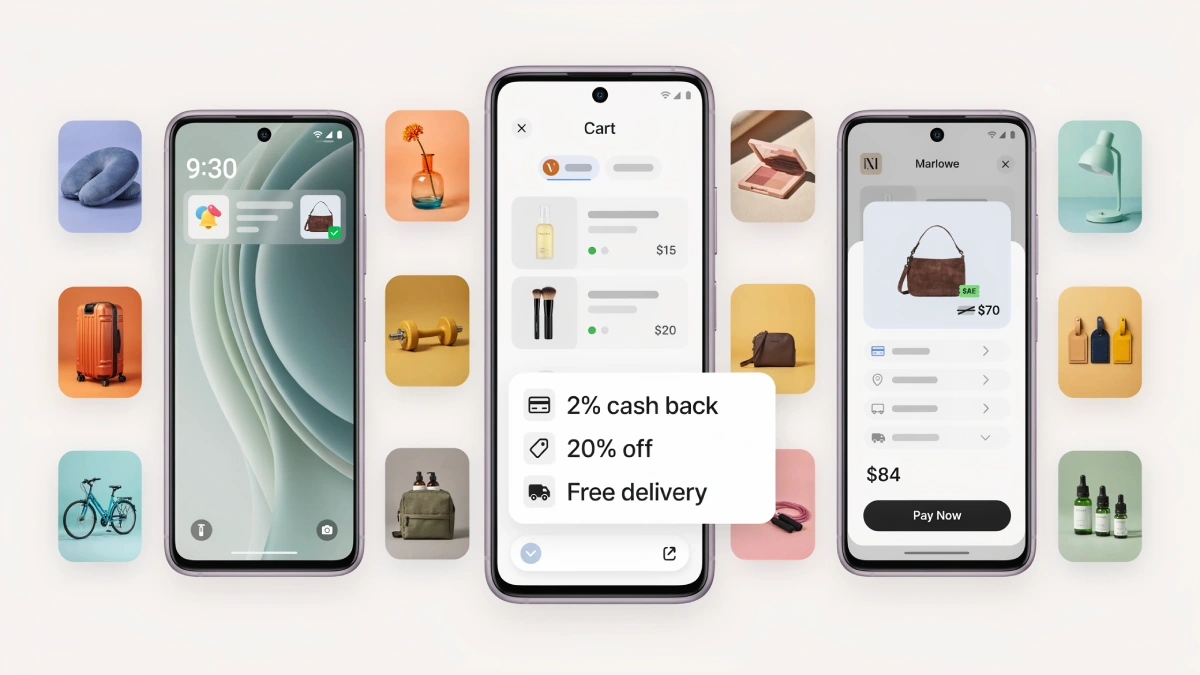
Google’s new Universal Cart could give eligible dropshipping retailers another way to participate in the online shopping journey. By allowing customers to save products from different retailers, track prices and move more easily towards checkout, the system creates potential sales opportunities, although its commercial impact has yet to be measured.
Google officially launched Universal Cart in the United States on 15 October 2026, introducing a shopping experience that works across Google Search and the Gemini app.
Importantly for independent retailers, Google confirms that many Shopify merchants are supported alongside major brands including Walmart, Nike and Sephora.
The launch could make Google’s shopping ecosystem more accessible to smaller ecommerce businesses, although participation and checkout features depend on merchant eligibility.
What Is Google’s Universal Cart?
Universal Cart allows customers to collect products from multiple retailers in one shopping basket without immediately visiting each individual website.
For example, someone shopping for home office equipment could save a desk from one retailer, a lamp from another and accessories from a third.
Google keeps those products together while helping the customer compare prices and prepare to purchase.
According to Google’s official announcement, Universal Cart offers several features:
- Products from different retailers can be saved in one place.
- Customers can receive price-drop notifications.
- Google can notify shoppers when products return to stock.
- Relevant promotional codes can be displayed.
- Customers can use Google Pay or transfer products to the retailer’s website to complete checkout, where supported.
The experience is powered partly by Google’s Universal Commerce Protocol (UCP), developed with Shopify and other industry participants to support AI-assisted shopping.
More Opportunities for Smaller Stores to Be Discovered
One of the biggest potential benefits for dropshippers is the ability to remain part of a customer’s shopping journey after their products have been discovered.
Independent ecommerce stores often struggle to compete with established retailers for popular search terms.
Google’s wider AI-assisted shopping features introduce another way for customers to find suitable products.
Rather than simply searching for “desk accessories”, a customer might ask Gemini to help them find affordable accessories for a compact home office.
The AI assistant can use detailed product information to identify products that match the customer’s requirements.
For a dropshipper selling specialist or unusual products, this creates a potential opportunity to compete on product suitability rather than simply brand recognition.
However, Universal Cart is not itself a new product recommendation system, and it does not guarantee additional visibility or improved rankings.
Its particular benefit comes after a shopper discovers a product, allowing them to save it alongside products from other retailers and return to it later.
The opportunity comes from participating in an additional shopping journey, not from receiving a new ranking advantage.
Price Alerts Could Bring Shoppers Back
Another useful feature is Universal Cart’s ability to monitor prices and product availability.
Customers frequently research products before making a purchase, particularly when comparing multiple retailers.
Universal Cart can keep those products together and alert customers when prices fall or unavailable products return to stock.
For dropshippers, this creates a possible second opportunity to secure a sale after the initial product discovery.
A customer who decides not to purchase immediately may still return when a promotion makes the product more attractive.
There is also a potential downside.
Dropshippers selling identical products from the same suppliers may face even greater price competition if shoppers can easily monitor competing offers.
That makes maintaining sensible margins and communicating genuine product value particularly important.
Faster Checkout Could Reduce Abandoned Baskets
One of Universal Cart’s most commercially interesting features is its checkout integration.
Through Google’s Universal Commerce Protocol, participating merchants can support different purchasing experiences.
Customers may be able to complete their purchase directly within Google using Google Pay.
Alternatively, Google can transfer selected products into the merchant’s shopping basket so the customer completes checkout on the retailer’s website.
These checkout options are not automatically available to every retailer whose products appear in Google Shopping. Supported experiences depend on the merchant’s eligibility and integration, with Google’s UCP programme being introduced in phases.
Both approaches have potential benefits.
Google’s native checkout reduces the steps customers must complete before purchasing.
Meanwhile, transferring shoppers to the retailer’s website preserves more of the traditional ecommerce experience, including opportunities to recommend complementary products.
For dropshippers with effective product pages and checkout processes, receiving a basket that a customer has already assembled could be particularly valuable.
Google’s technical documentation identifies reduced checkout friction and opportunities for upselling and cross-selling as intended benefits of its cart-transfer system.
However, lower abandonment and higher conversions remain potential benefits rather than demonstrated results from the new Universal Cart launch.
Will Dropshippers Lose Control of Their Customers?
Allowing customers to purchase directly through Google naturally raises questions about control over the customer relationship.
Some merchants may prefer shoppers to visit their websites, where they can present their brand, answer questions and recommend additional products.
Others may welcome a simpler checkout if it produces more completed orders.
Google says participating merchants remain the seller of record, meaning the retailer retains responsibility for the sale and associated customer service.
However, the purchasing journey can still be different when a transaction happens within Google rather than on the retailer’s own website.
Dropshippers should consider how those differences affect customer acquisition, analytics, marketing opportunities and repeat purchases.
Ultimately, additional sales are valuable, but merchants still need to understand the profitability and long-term value of each customer.
What Should Shopify Dropshippers Do Now?
Universal Cart is currently rolling out to consumers in the United States, and its checkout integrations are limited to participating merchants.
That means UK and other international dropshippers should not assume the complete experience is already available to them.
Google also requires merchants using UCP checkout integrations to satisfy eligibility and technical requirements.
For now, the most useful preparation is straightforward:
- Check Google Merchant Center. Ensure product listings are active and investigate any outstanding problems.
- Improve product information. Include accurate specifications, materials, sizes, compatibility and other details customers may search for.
- Maintain accurate pricing and availability. These details become increasingly important when shopping systems monitor products and recommend alternatives.
- Review shipping and returns information. Customers need reliable delivery information before completing purchases.
- Check eligibility for AI shopping features. Shopify merchants should review their available agentic shopping settings and Google’s Merchant Center guidance rather than assuming every store is automatically included.
Maintaining accurate product feeds, shipping details and returns policies is an important starting point, but merchants may also need approval or platform-supported integration before offering UCP-powered checkout.
There is little reason to invest in expensive new AI optimisation tools simply because Universal Cart has launched.
Accurate product information and a reliable shopping experience remain sensible starting points.
Is Universal Cart Good News for Dropshippers?
Google’s launch represents another significant development in the way consumers organise and purchase products online.
For independent stores, the encouraging detail is that the new shopping experience isn’t exclusively reserved for major retail brands.
Eligible Shopify merchants are already part of Google’s plans.
Universal Cart could help smaller retailers benefit from customers saving their products, receiving price alerts and accessing more convenient checkout options.
But the commercial impact will ultimately depend on whether those features generate additional profitable orders rather than simply moving existing purchases into Google’s ecosystem.
The opportunity for dropshippers is to make their products easier to save, revisit and buy, without necessarily needing customers to begin their shopping journey on the store’s own website.
For merchants competing with much larger retailers, that is a development worth watching.